02 / Field guide
Read the elevation, not just the map
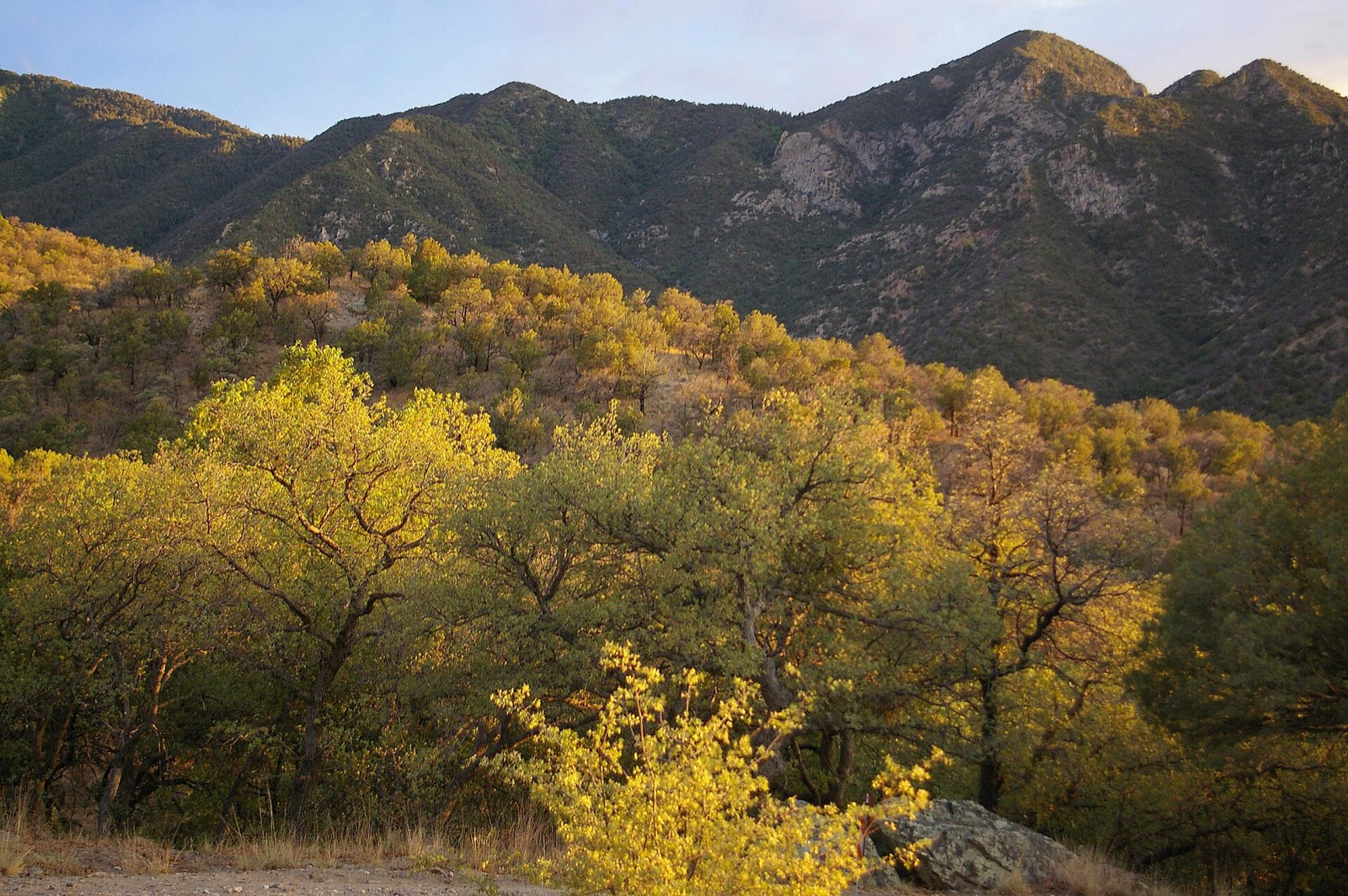
Arizona works as a birding destination because several ecological worlds sit close together. In the southeast, desert scrub, grassland, riparian woodland, oak-juniper slopes and high conifer forest can all fit inside one day. That compression is the practical advantage: when heat or wind quiets one habitat, another elevation may still be active.
For a first visit, base near Tucson or Green Valley and build outward. Give Madera Canyon a full morning, reserve another day for Patagonia and the upper Santa Cruz corridor, and allow two days for either the Huachucas or the Chiricahuas. Northern Arizona deserves a separate extension rather than a rushed detour.
- Low desert: dawn activity and winter abundance
- Riparian corridors: migrants, canopy birds and concentrated shade
- Sky Islands: Mexican specialties and dramatic elevation turnover
- Northern plateau and conifers: a different western bird community
03 / Field guide
Five practical seasons
Local birders often describe five seasons rather than four. Spring migration gathers momentum from late February and is strongest from mid-April into mid-May. The dry fore-summer follows, then monsoon rains can renew activity from July into September. Fall migration overlaps that rainy period before winter concentrates birds in lowland desert, wetlands and agricultural valleys.
No month guarantees a target. Fire restrictions, summer heat, monsoon flooding, snow and road work can all change access. Check the managing agency and recent bird reports immediately before each outing.
04 / Field guide
A first Arizona circuit
Days one and two: learn Sonoran Desert and urban wetland birds around Tucson, then climb through Madera Canyon. Days three and four: work Patagonia, Sonoita Creek and the San Pedro corridor. Days five and six: choose the Huachucas for compact canyon access or continue to Portal for Cave Creek Canyon and the Chiricahuas. Keep the last morning flexible for weather, a missed habitat, or a return visit at better light.
This is a habitat circuit, not a rarity chase. It remains useful when an individual bird moves, a feeder changes, or a road closes.
05 / Field guide
Field ethics in a narrow canyon
Keep calls and playback restrained, especially around territorial or nesting birds. Do not crowd a reported nest or block a trail. Park only in designated spaces, stay on official routes where required, pack out everything, and let wildlife set the working distance. Arizona heat also makes water, sun protection and an honest turnaround time part of responsible field planning.
Research standard
Sources & field references
- Audubon — Birding in Arizona
- Southeastern Arizona Bird Observatory — The Five Seasons
- Arizona Important Bird Areas Program
- Tucson Bird Alliance — Visiting Southeast Arizona
Access, fees, closures and regulations can change quickly. Confirm practical details with the managing agency before travel.