02 / Field guide
What you can find
Coppery-tailed Trogon (formerly Elegant Trogon), Arizona Woodpecker, Broad-billed Hummingbird, Painted Redstart, Mexican Jay, Dusky-capped Flycatcher and Sulphur-bellied Flycatcher form the canyon's best-known suite. Presence changes by season and year; use recent reports to set expectations, then bird the habitat rather than a pin.
03 / Field guide
01 — Proctor Road
Begin low in the canyon where grassland, mesquite and riparian edges meet. Dawn is valuable here before heat and road activity build. The nature-trail area gives a gentler start than the upper hiking routes and can produce a different bird community from the oak woodland above.
04 / Field guide
02 — Madera Nature Trail
Use the creek-side route to move gradually through shaded woodland instead of driving between every stop. Listen before moving on: still canopy birds and flycatchers can be easier to locate by voice than by motion. Trail conditions and water flow vary.
05 / Field guide
03 — Santa Rita Lodge viewing area
The public feeder-viewing area is the canyon's most approachable stationary birding stop. Benches provide an accessible way to study hummingbirds, woodpeckers, jays and visiting tanagers. It is also busy; keep walkways clear, respect lodge operations, and do not treat any feeder species as guaranteed.
06 / Field guide
04 — Picnic areas and upper road
Amphitheater, Whitehouse, Madera and Roundup picnic areas break the climb into useful habitat checks. Parking can fill early on spring weekends. If a lot is full, continue to a legal space rather than edging onto vegetation or narrowing the road.
07 / Field guide
05 — Carrie Nation / Old Baldy trail system
The upper trailheads lead into steeper, quieter country and higher-elevation habitat. They are real hikes, not feeder loops. Carry water, watch weather, and choose a turnaround time before starting. The Forest Service identifies the Carrie Nation Trail in spring among the canyon's notable birding routes.
08 / Field guide
Getting there
Madera Canyon lies roughly 30 miles south of Tucson on the northwest side of the Santa Rita Mountains. The scenic road is paved. From the Tucson area, use I-19 toward Continental/Green Valley and follow signed local roads toward Whitehouse Canyon Road and the national forest. Navigation service can weaken in the canyon, so save the route in advance.
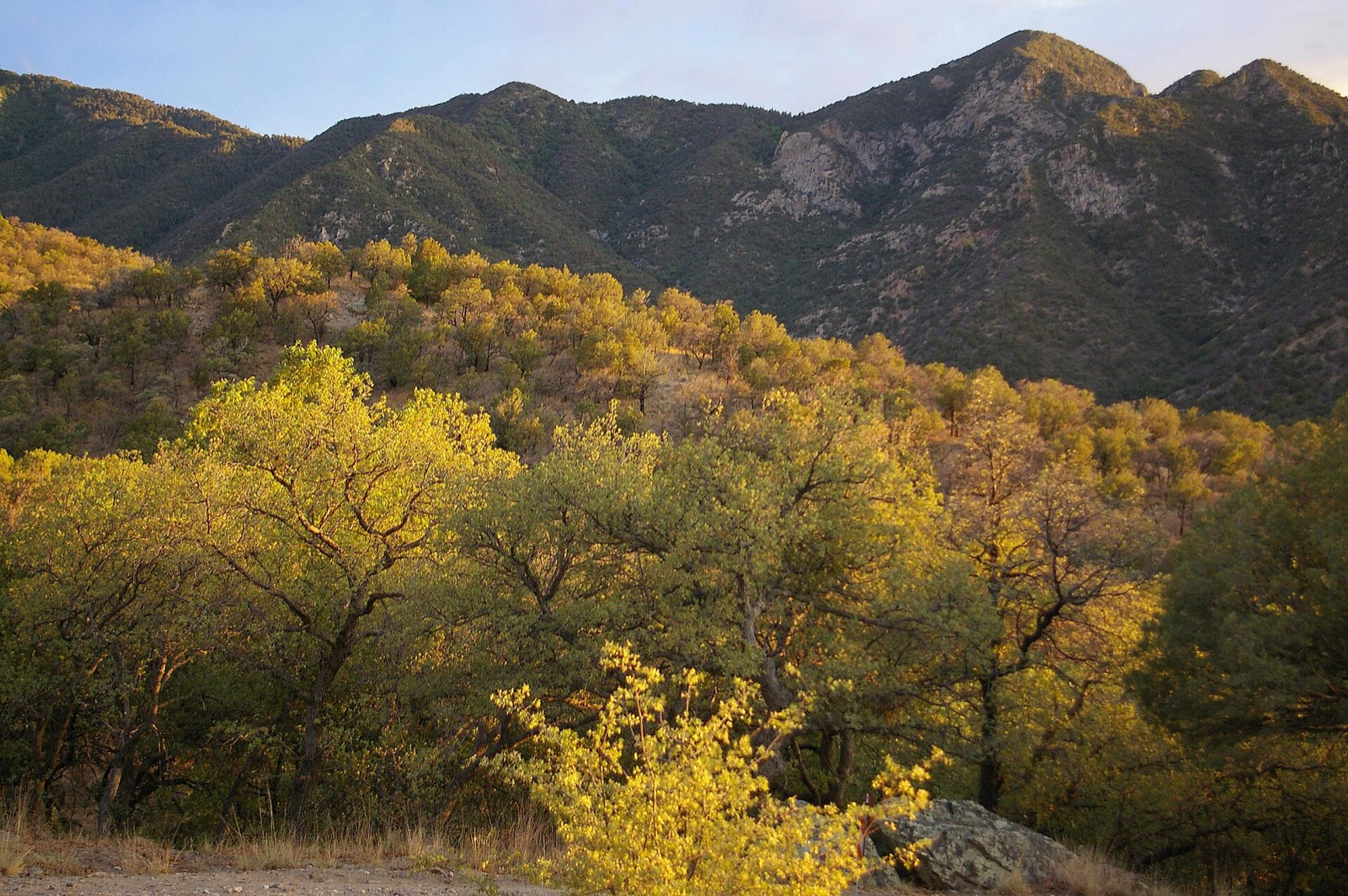
The Forest Service describes the wooded canyon recreation setting at about 5,000 feet. Mount Wrightson rises to 9,453 feet above it; reaching that summit requires a strenuous wilderness hike and is not part of a typical canyon birding circuit.
09 / Field guide
Parking & access
The canyon is a federal day-use fee area. Fees and pass acceptance can change; Recreation.gov and the Coronado National Forest are the authoritative checks before departure. Display any required pass as instructed. Restrooms exist at several Forest Service sites, but food and fuel are not available in the canyon. Seasonal fire restrictions, storm damage or maintenance may alter access.
10 / Field guide
Photography conditions
The wooded canyon creates high contrast: bright openings behind shaded birds, dappled backgrounds and low morning light. A 300–600mm equivalent range is useful, but working distance should always be set by the bird. Auto ISO with a minimum shutter speed is often more practical than forcing a low ISO. Around feeders, preselect a clean background and let birds enter the frame; on trails, a monopod is easier to manage than a wide tripod footprint. Flight opportunities are less predictable than perched and short-sally behavior.
11 / Field guide
What to bring
Offline map, water, sun protection, a warm layer for elevation, compact rain protection during monsoon season, binoculars, hearing-aware field app, spare battery and a lens cloth. Cell service should not be part of the safety plan.
12 / Field guide
Nearby birding
Add the grasslands near Sonoita, Patagonia and the upper Santa Cruz corridor on another day. Trying to combine Madera Canyon and the Chiricahuas in one day sacrifices the best light at both.
Research standard
Sources & field references
- Coronado National Forest — Madera Canyon Recreation Opportunity Guide
- Recreation.gov — Madera Canyon Day Use
- Tucson Bird Alliance — Madera Canyon field trip description
- Southeastern Arizona Bird Observatory — Santa Rita Mountains
- Visit Tucson — Madera Canyon
Access, fees, closures and regulations can change quickly. Confirm practical details with the managing agency before travel.